
Activiteiten in harburg
Ontdek topervaringen
Top 10 bezienswaardigheden in harburg


Neuschwanstein Castle
Kasteel Neuschwanstein ligt aan de voet van de Alpen in de Duitse deelstaat Beieren, vlakbij de Oostenrijkse grens en niet ver van het stadje Füssen. Het werd gebouwd als een paleis door de Beierse koning Ludwig II ter ere van de componist Wagner, geïnspireerd door de legende van de "Zwanenridder" Lohengrin. De bouw begon in 1869. Het sprookjesachtige uiterlijk met witte muren, blauwe daken en spitse torens diende als inspiratiebron voor het Doornroosjeskasteel van Disney en wordt al jarenlang beschouwd als het visitekaartje van Duitsland voor toeristen. Het kasteelinterieur was oorspronkelijk ontworpen met meer dan 200 kamers, maar tegen de tijd van de dood van de koning in 1886 waren er slechts iets meer dan tien voltooid, elk met uitzonderlijk vakmanschap. De koepel van de troonzaal is beschilderd met een blauwe nachtelijke hemel vol sterren, de vloer bestaat uit mozaïeken met motieven van flora en fauna, en de hoge kroonluchters zijn geïnspireerd op Byzantijnse kronen. Het gotische bed in de slaapkamer van de koning werd door meer dan tien beeldhouwers in ruim vier jaar tijd vervaardigd. De relatief grote zangerszaal in het kasteel is versierd met muurschilderingen van "Lohengrin" en "Parsifal", geïnspireerd op de zangerszaal van de Wartburg, en hier worden elk jaar in september concerten gehouden. Het zwanenmotief is bijna overal aanwezig, van muurschilderingen tot deurknoppen en wastafels. Interessant is dat dit middeleeuws ogende kasteel destijds al was voorzien van telefoon, centrale verwarming, warm water en automatisch spoelende toiletten, wat voor die tijd zeer vooruitstrevend was. Wil je het klassieke ansichtkaartperspectief vastleggen, ga dan naar de Mariabrücke. Deze voetgangersbrug, die over de Pöllatkloof hangt, staat recht tegenover de zuidgevel van het kasteel en ligt niet ver van het uitstappunt van de bus naar boven. In de middag is het druk met toeristen, dus het is beter om vroeg te gaan. Je kunt de berg op met een pendelbus, een koets of te voet. Het wandelpad biedt een panoramisch uitzicht op het kasteel en onderweg kun je ook het gele oude koninklijke paleis Hohenschwangau op de tegenoverliggende bergtop zien. Het einde van dit kasteel heeft een tragische ondertoon: Ludwig II bouwde het met privévermogen en leningen, tegen hevig verzet van zijn ministers; op een late avond in juni 1886 werd hij in zijn slaapkamer in het kasteel gearresteerd en overleed enkele dagen later onder mysterieuze omstandigheden aan de oever van de Starnberger See. Zeven weken later opende het kasteel zijn deuren voor het publiek. Tegenwoordig moeten bezoekers voor een rondleiding binnen een groep volgen, en fotograferen is niet toegestaan. Live uitleg door gids is beschikbaar in het Engels of Duits, voor Chinese uitleg kun je kiezen voor een audiogids. Bezoekersgids Naar het kasteel Er zijn drie manieren om het kasteel te bereiken: met de bus, met een koets of te voet. De meeste mensen kiezen voor de bus en lopen daarna een stukje naar Slot Neuschwanstein. Onderweg is er een uitkijkpunt vanwaar je een ander kasteel kunt zien - Hohenschwangau. Je kunt ook met een koets naar het kasteel rijden. Naast het genieten van het schilderachtige landschap onderweg, zal de humoristische koetsier je de legendarische verhalen vertellen die zich hier hebben afgespeeld. Na het uitstappen hoef je maar een stukje te lopen om de ingang van het kasteel te bereiken. Als je niet in de rij wilt wachten voor de bus, of als je van outdooractiviteiten houdt, kun je ook te voet naar Slot Neuschwanstein gaan. Tijdens de wandeling kun je het kasteel vanuit een vogelperspectief fotograferen en er zijn relatief weinig bezoekers. Maak een foto van het kasteel vanuit een ansichtkaartperspectief De Marienbrücke bevindt zich in de buurt van het eindstation van de bus naar boven. Deze honderd meter hoge brug hangt tussen twee bergwanden, met planken aan de onderkant die licht op en neer bewegen als je erop loopt. Hier kun je het beroemde ansichtkaartbeeld van Slot Neuschwanstein vastleggen. Als je bij aankomst nog tijd hebt voordat het bezoek begint, kun je eerst naar de Marienbrücke gaan om het prachtige uitzicht op het kasteel te fotograferen. Na het middaguur is de brug meestal overvol. Rondleiding Om het kasteel van binnen te bezoeken, moet u de officiële gids volgen. De gids biedt uitleg in het Engels en Duits. U kunt er ook voor kiezen om een audiogids te gebruiken (er is een Chinese versie beschikbaar). Na het bezoek kunt u even uitrusten in het café in het kasteel.Duitsland · Schwangau

Munich Residence
De Residenz in München ligt in het centrum van de oude stad en was de residentie en machtscentrum van de hertogen, keurvorsten en koningen van het Huis Wittelsbach, van begin 16e eeuw tot 1918. Na eeuwen van voortdurende uitbreidingen groeide het van een kasteel uit tot een groot paleizencomplex met tien binnenplaatsen en honderden zalen. De Königsbau, de Alte Residenz en de Festsaalbau zijn elk naar een andere richting gericht, met stijlen die variëren van renaissance, barok, rococo tot neoclassicisme, die hier in lagen verweven zijn. Tegenwoordig is het complex voornamelijk open voor het publiek als museum, schatkamer en het Cuvilliés-theater. Het koninklijk paleis biedt een dichte opeenvolging van hoogtepunten: het Antiquitätenmuseum, gebouwd in de late 16e eeuw, is de oudste zaal hier, meer dan zestig meter lang met gewelven vol fresco's. Oorspronkelijk bedoeld voor de hertogelijke collectie van Romeinse beelden, diende het later lange tijd als hofbanketzaal en geldt als een representatief meesterwerk van renaissancezalen ten noorden van de Alpen. De Schatkamer herbergt meer dan duizend koninklijke juwelen van de Wittelsbach-dynastie, waaronder kronen en scepters. Het Cuvilliés-theater is een van de best bewaarde rococohoftheaters in Europa, met weelderig versierde loges in lagen. Mozarts opera "Idomeneo" had hier in 1781 zijn première, en tot op heden worden er regelmatig concerten gegeven. Let tijdens uw bezoek ook op de met schelpen versierde grottenhof en de vooroudergalerij vol familieportretten, beide liggen op de route naar het Antiquitätenmuseum en zijn gemakkelijk te missen. De neuzen van de paar bronzen leeuwen voor de deur zijn door reizigers zo vaak aangeraakt dat ze glimmen; volgens een lokale legende brengt het aanraken van de leeuwenneus geluk, dus probeer het gerust als je langsloopt. Het koninklijk paleis liep in de Tweede Wereldoorlog zware schade op, en de meeste van de prachtige zalen die je nu ziet, zijn na de oorlog in hun oorspronkelijke staat hersteld. De hele rondleiding is vrij lang, dus als je alles goed wilt bekijken, kun je beter een halve dag uittrekken. Na het bezoek kun je nog een wandeling maken in het aangrenzende paleistuin.München · 96,8 km van Harburg

Romantische Strasse
Mottingen · 8,5 km van Harburg

Alps
Zwitserland · Furna

Hallstatt
Oostenrijk · Hallstatt

Marienplatz
Marienplatz is het centrale plein van de oude stad van München en is sinds de stichting van München in 1158 het belangrijkste plein van de stad gebleven. Het oude en het nieuwe stadhuis staan aan de noord- en oostkant van het plein, waardoor het terecht de "stedelijke woonkamer" van München wordt genoemd. Onder het plein bevindt zich een belangrijk knooppunt van de S-Bahn en metro, en vanaf hier zijn de meeste bezienswaardigheden van de oude stad te voet bereikbaar. Veel reizigers beschouwen Marienplatz als het startpunt van hun reis naar München; wanneer voetbalclub Bayern München een titel wint, is het traditie dat het team vanaf het balkon van het stadhuis naar de fans op het plein zwaait. In het midden van het plein staat de Mariasäule uit 1638, met een gouden Madonna die op een halve maan staat, in haar rechterhand een scepter houdt en in haar linkerarm het Christuskind draagt. De hoeken van de sokkel zijn versierd met kleine bronzen beelden van engelen die monsters overwinnen, en tegenwoordig vormt het het visuele middelpunt van het plein. Aan de noordkant staat het nieuwe raadhuis, een donkere toren in neogotische stijl. Het poppenspel in de toren speelt elke dag om 11 uur 's ochtends en 12 uur 's middags, waarbij de bovenste poppen een middeleeuws riddertoernooi uitbeelden en de onderste een traditionele Beierse tonnendans. Aan het einde kraait een gouden haan. Voor de voorstelling staat het plein vaak al vol met reizigers die omhoog kijken. Tegenover de ingang van het nieuwe raadhuis staat de bronzen Fischbrunnen, een wensfontein die teruggaat tot de middeleeuwen. Volgens een oude lokale gewoonte wassen mensen op Aswoensdag hun portemonnee met het water om geluk in geldzaken af te smeken. De slanke toren van het oude raadhuis aan de oostkant vormt een mooi contrast met de Frauenkirche in het noordwesten, die bekroond wordt door een ui-vormige koepel; de zuidtoren van de Frauenkirche is per lift te beklimmen en biedt een prachtig uitzicht over de rode daken van de oude stad en de Alpen in de verte. Het plein zelf is niet groot, maar vat de eeuwenlange geschiedenis van München samen in de omliggende gebouwen, en is altijd levendig, wanneer je ook komt.München · 97 km van Harburg

Swiss Pass
Zwitserland · Zürich

Dolomites
Italië · Rocca Pietore

Nymphenburg Palace
Slot Nymphenburg ligt in de westelijke buitenwijken van München en was de zomerresidentie van de heersers van de Wittelsbach-dynastie, evenals een belangrijk voorbeeld van Duitse barokke paleis- en tuinarchitectuur. Het paleis heeft een brede, uitgestrekte voorgevel, met een kaarsrechte gracht ervoor waar het hele jaar door zwanen zwemmen - een iconisch beeld van München. Binnen zijn de hoogtepunten geconcentreerd: de prachtig versierde Steenzaal diende als feestzaal voor koninklijke vieringen, waar plafondfresco's en kroonluchters elkaar versterken; de door Ludwig I in opdracht gegeven "Schönheitengalerie" toont meer dan dertig portretten van 19e-eeuwse Münchense schoonheden; de "sprookjeskoning" Ludwig II werd geboren in de koninklijke slaapvertrekken van het paleis. In het museum in de vleugel, een verbouwde stal, staan koninklijke koetsen en sledes, waaronder Ludwig II's vergulde koets, en Nymphenburg-porselein uit de koninklijke porseleinfabriek. De paleistuin gaat over van Franse geometrische bloemperken naar een Engels landschapspark, met verspreide paviljoens zoals Amalienburg, Badenburg en Pagodenburg: de roze Amalienburg is een verfijnd rococo-jachtslot, met de Spiegelzaal als hoogtepunt; Pagodenburg was een theehuis voor de koninklijke familie. De paviljoens liggen ver uit elkaar, dus plan voldoende tijd in om te wandelen. Veel reizigers sluiten hun bezoek graag af met een rustige wandeling langs de gracht terug naar het paleis, onder het genot van de zwanen.München · 91,7 km van Harburg

Titlis
Mount Titlis bevindt zich in Engelberg, een skioord met warmwaterbronnen in Zwitserland, ten zuiden van Luzern, op ongeveer 33 kilometer afstand. Mount Titlis is 3.238 meter boven zeeniveau, de hoogste piek in centraal Zwitserland en een gletsjer in deze regio die binnen 1 uur bereikbaar is. Er zijn veel activiteiten te doen op Mount Titlis, zoals de draaiende kabelbaan, touwbrug, gletsjerzweefstoel, Titlis Gletsjer Park, gletsjerwandelingen, skiën, sleeën en meer. Het Trübsee Station op 1.800 meter boven zeeniveau is de eerste keuze voor beginners om bergactiviteiten en wintersporten te ervaren. Voordat je naar het Titlis Valley Kabelbaanstation gaat, kun je op de officiële website controleren of de faciliteiten normaal werken. In de zomer zijn er veel themawandelingen in de Titlis-bergen, zoals de Shanhua Trail, Brunei Trail, Laotoule Trail, Knapp Trail, enz. Wandelliefhebbers kunnen genieten van de landelijke sfeer. Vanaf Trübsee, halverwege de berg, zijn er verschillende wandelroutes langs alpine meren. Daarnaast is er een boottochtprogramma op het Trübsee-meer. Vervolgens stap je over naar 's werelds eerste draaiende kabelbaan naar het Titlis Peak Station, de hele reis duurt ongeveer 30 minuten. Elk kabelbaanstation heeft restaurants op de besneeuwde bergen en in de valleien. Of je nu een snack, een snelle maaltijd of een uitgebreide maaltijd wilt, je vindt hier wat je zoekt. 360-graden draaiende kabelbaan Veel mensen komen naar Mount Titlis en het is onvergetelijk vanwege 's werelds eerste draaiende kabelbaan. De draaiende kabelbaan vertrekt vanaf het middenstation van de Steiner Kabelbaan en brengt je in 5 minuten naar het Peak Tram station. De tweede generatie draaiende kabelbaan, gelanceerd in 2014, biedt een volledige rotatie van de cabine en een 360-graden panoramaraam. Tijdens deze 5-minuten durende rit maakt de kabelbaan precies één rotatie, waardoor je een panoramisch uitzicht hebt op steile kliffen, diepe gletsjerspleten en besneeuwde pieken in de verte. Het Peak Tram Station heeft faciliteiten zoals een voedselwinkel, een chocoladewinkel en een fotostudio bekend als "hoogte". Je kunt je verkleden in traditionele Zwitserse kostuums en de goede tijden vastleggen. Het verkennen van de ijsgrot is een supercoole ervaring. De hele ijsgrot is verlicht door het zwakke blauwe licht van het eeuwenoude ijs en vol met fantastische kleuren. Het 150 meter lange ijsgrotpad splitst zich in verschillende vertakkingen en strekt zich 20 meter onder de gletsjer uit. Toegang tot de ijsgrot is gratis. Staand op de touwbrug, meer dan 3.000 meter boven zeeniveau en met 500 meter diepe kliffen, voel je de prachtige omgeving terwijl je hart sneller klopt! De touwbrugtour is gratis, maar wordt bij slecht weer gesloten. Het StotzigEgg uitzichtpunt is slechts een korte wandeling over de zachte sneeuw vanaf het topstation van de Titlis Draaiende Kabelbaan. Vanaf hier zie je een magnifiek uitzicht op de centrale Zwitserse Alpen en de vele besneeuwde pieken in de verte. Naast de kabelbaan kun je ook kiezen voor de gletsjerzweefstoel. De open stoel tilt je zachtjes op over ongerepte sneeuw en ijs. Houd je ogen op je voeten gericht, want het majestueuze gletsjerwereld begint onder je! Spring op een skiring of slee en suizen de hellingen af, onderweg spattend in de sneeuw. Er zijn twee sneeuwglijbanen in het park, speciaal voor skiringen en plezier. Er is ook een magisch tapijt om je gemakkelijk terug te brengen naar het startpunt. De exacte openingsvoorwaarden zijn afhankelijk van het weer.Zwitserland · Gadmen
Ervaringen die je niet mag missen in harburg
Uitgelichte Dagtours in harburg
Bekijk alle Dagtours
VanafBRL 721,30

3,7/5
· 35 beoordelingen· 28 geboektGratis annuleren
Nu boeken voor vandaag
VanafBRL 141,84

VanafBRL 402,69

Gratis annuleren
Nu boeken voor morgen
VanafBRL 3.678,60

VanafBRL 3.692,22

Gratis annuleren
Nu boeken voor morgen
VanafBRL 4.435,20

Uitgelichte Eten en drinken in harburg
Bekijk alle Eten en drinken
VanafBRL 41,12

Nu boeken voor vandaag
VanafBRL 41,12

VanafBRL 205,60

VanafBRL 41,12

VanafBRL 41,12

Nu boeken voor vandaag
VanafBRL 41,12

Gratis annuleren
Nu boeken voor morgen
VanafBRL 3.674,06

VanafBRL 41,12
Gratis activiteiten in harburg
Alps
Zwitserland · FurnaMarienplatz
München · 97 km van HarburgNu boeken voor morgenDolomites
Italië · Rocca PietoreTitlis
Zwitserland · GadmenNu boeken voor vandaag
Mirabell Palace & Garden
Oostenrijk · Salzburg
Rigi
Zwitserland · Arth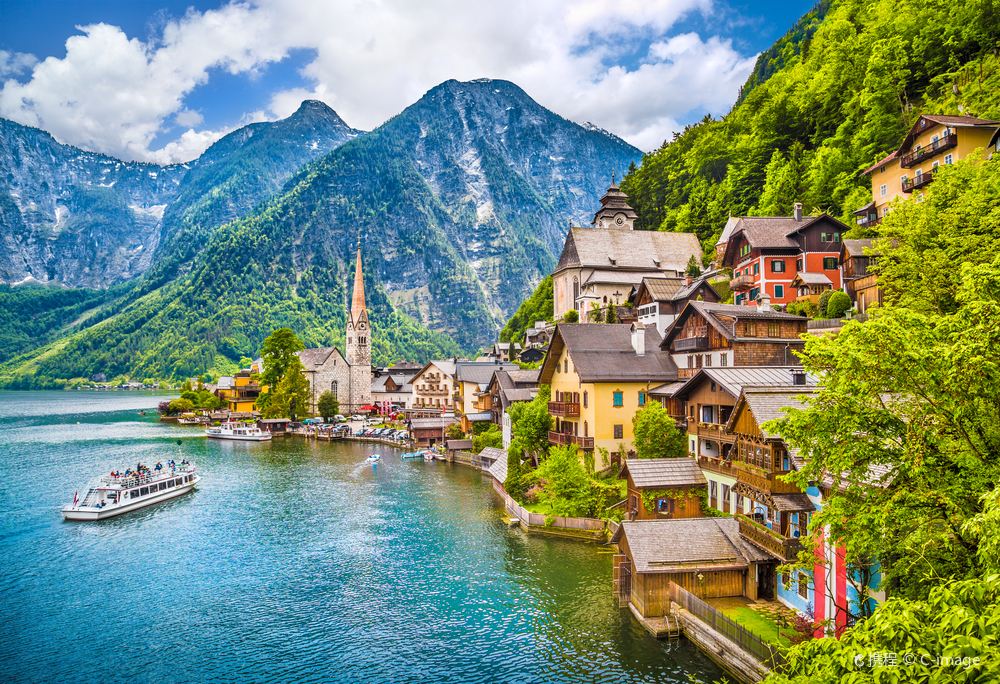
Lake Hallstatt
Oostenrijk · Hallstatt
Lake Lucerne
Zwitserland · Ennetbürgen
Lion Monument
Zwitserland · Luzern
Old Town
Zwitserland · Luzern
Wat reizigers zeggen over harburg

Anonieme gebruiker16 september 2026
5,0
We choose the horse carriage ride up, it was €8 a person. It took around 20 minutes and we enjoyed the forest view. Make sure to arrive and park at least an hour early. The entrance time is exact to every 5 minutes for crowd control. The entrance ticket includes an audio set and takes around 30 minutes. You are moved thru the rooms rather quickly. There are free lockers at information at the entrance area if needed. No pictures can be taken during the tour. **not handicapped friendly ** must be able to walk for 2-3 hours and climb up and down many flights of stairs. There are no elevators. We planned to walk down but it began to rain. So we took the horse carriage again -/€4/person.
Neuschwanstein Castle

Jason Egg1 juli 2026
5,0
The Munich Residence is one of the most impressive historical attractions in Munich. The palace is beautifully decorated with grand halls, elegant rooms, and detailed artwork that show the wealth and history of the Bavarian royal family. I enjoyed walking through the different sections of the palace, especially the lavish rooms filled with paintings, chandeliers, and antique furniture. The museum was well organized, and there was plenty of information about the history of the building and its former rulers. The peaceful courtyards also provided a nice place to relax during the visit. Overall, the Munich Residence offers a wonderful mix of history, art, and architecture. It is a must-visit for anyone interested in culture and royal history, and I would gladly visit again.
Munich Residence

美人鱼桃20 oktober 2024
5,0
滑雪度假村:推荐选择靠近滑雪场的度假村,如库尔舍瓦尔(Courchevel)、梅杰夫(Megève)、因特拉肯(Interlaken)等。度假村通常提供滑雪通行证和设备租赁服务。景区特色美食:香肠与酸菜,瑞士巧克力,瑞士奶酪火锅
Alps

Seay Doer24 juni 2026
5,0
I had an amazing experience visiting Hallstatt, and it felt like stepping into a real-life postcard. The village is incredibly beautiful, with calm lake views, traditional wooden houses, and mountains surrounding the area. One unforgettable moment was standing by the lake early in the morning when the water was completely still and reflected the entire village like a mirror. I also enjoyed walking through the small streets, taking photos at every corner because the scenery was just so stunning. The atmosphere is peaceful and relaxing, very different from busy cities. Overall, Hallstatt is one of the most beautiful places I have ever visited and definitely worth the trip for its breathtaking views and quiet charm.
Hallstatt

Travelshorts24 januari 2026
5,0
Munich Old Town, or Altstadt, is the kind of place that rewards slowing down. You can see the main sights in a few hours, but what makes it special is how easy it is to wander without a plan. History here doesn’t feel distant or staged. It’s part of everyday life.I started my day in Marienplatz, the natural heart of the Old Town. No matter where you walk, you seem to circle back here. The New Town Hall dominates the square with its detailed Gothic façade, and when the Glockenspiel begins, people stop instinctively and look up together. It’s busy, but it never feels overwhelming. Sitting on the edge of the square with a coffee, watching locals and visitors pass through, felt like the right way to take it in.A short walk away is the Frauenkirche, instantly recognizable by its twin onion domes. Inside, the atmosphere shifts. The space is simple and quiet, a contrast to the ornate churches found elsewhere in Europe. I stayed longer than expected, enjoying the calm and the sense of weight the building carries. It feels like an anchor for the city.From there, I wandered toward Viktualienmarkt, where Munich’s food culture comes alive. The market is colorful and full of movement, with stalls selling fresh produce, flowers, cheeses, and warm bread. Locals stop by for lunch, and tourists mix in naturally. I grabbed a sausage and stood at one of the tall tables near the beer garden, watching the market flow around me. It felt casual and very Munich.Some of the best moments in the Old Town come from leaving the main streets. Side roads and small alleys hide quiet courtyards, independent shops, and bakeries that feel unchanged by time. Just a few steps away from busy shopping streets, everything becomes calmer.For a view over the rooftops, St. Peter’s Church is worth the climb. From the top, the Old Town spreads out neatly, with red roofs and church towers stretching toward the horizon. On a clear day, the Alps appear faintly in the distance.
Marienplatz


CasiArti29 maart 2026
5,0
I have been living in Belluno for 2 years. Amazing experience. The door to the Dolomiti. Love the majesty of the mountains.. go to Ponte delle Alpi e follo for Agordo… and get lost in the beauty..
Dolomites

TW Hamburg17 december 2025
5,0
Amazing place A must-visit for anyone interested in European history, art, and stunning landscapes. It offers a perfect blend of opulent interiors, fascinating museums, and expansive, serene gardens.Nymphenburg Palace is not just a museum; it's a complete cultural experience. The combination of-inspiring art, fascinating history, and the tranquil, sprawling park makes it an unforgettable highlight of Munich.
Nymphenburg Palace

Tania Akter (Sumi)10 april 2025
5,0
Engelberg-Titlis is a breathtaking alpine paradise that stole my heart! The panoramic views from the rotating cable car are absolutely unforgettable. From snow-covered peaks to thrilling glacier activities, every moment felt magical. The Titlis Cliff Walk offered an adrenaline rush with stunning scenery. Engelberg village, with its charming vibes and cozy cafés, added a peaceful touch to the adventure. Whether you're a nature lover or thrill-seeker, this destination is a must-visit.
Titlis